The Content Brief Template That Gets Better First Drafts
Better briefs, fewer rewrites
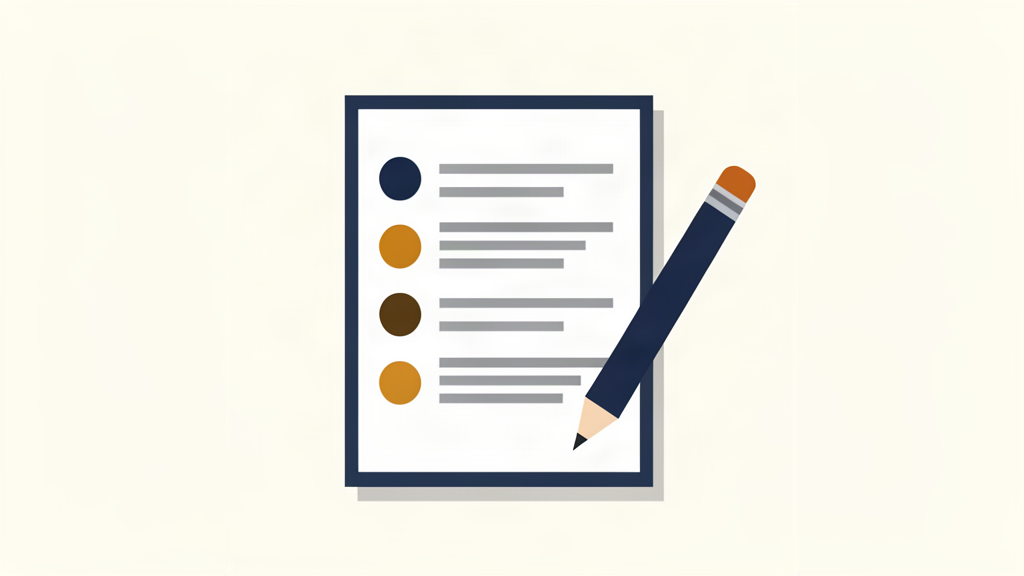
Most content problems are brief problems. When a draft comes back off-target, the root cause is usually a vague brief that left the writer guessing at the audience, the angle, and the point. A good brief is the highest-leverage document in content production — twenty minutes of clarity upfront that saves hours of painful rewriting later.
Start With the Reader and the Goal
Every brief should open with two things: who this is for and what it needs to achieve. "Content marketers at small teams" is a reader; "help them plan a quarter of content in under an hour" is a goal. When the writer knows exactly who they are talking to and what the reader should be able to do afterwards, the draft has a fixed point to aim at. Vague briefs produce vague drafts.
Nail the Search Intent and Keyword
For content meant to rank, the brief must state the primary keyword and, more importantly, the intent behind it. What is someone actually trying to do when they search this term — learn, compare, or act? Point the writer at the intent, and ideally at the current top results, so they understand the bar. A brief that names a keyword but ignores intent produces content that targets a phrase without satisfying the searcher.
Give an Angle, Not Just a Topic
The most valuable line in a brief is the angle — the specific take that makes this piece different from everything already ranking. "A guide to content audits" is a topic; "how to run a content audit in one afternoon by focusing only on the four decisions that matter" is an angle. The angle is where the strategic thinking lives, and it belongs in the brief, not left to the writer to invent.
Outline the Key Points
You do not need to write the piece, but sketch the skeleton: the main sections or arguments in rough order. This keeps the structure sound and ensures nothing essential is missed. It also surfaces disagreements about direction before a word is written, when they are cheap to resolve. A brief with a clear outline dramatically reduces structural rewrites.
Set the Constraints That Cause Rewrites
Finish with the practical details that so often cause friction: tone of voice, approximate length, any sources or data to cite, internal links to include, and anything to avoid. These feel like small print, but they are where drafts most often miss. Spell them out and the first draft lands far closer to publishable.
Frequently asked questions
What should a content brief include?
How detailed should a content brief be?
Who should write the content brief?
Do briefs slow down content production?
Sources and further reading
Related Articles
How to Repurpose One Piece of Content Into Ten
The hardest part of content is the thinking — the research, the structure, the argument. Yet most te...
Content MarketingMeasuring Content Performance: The Metrics That Matter
Content teams drown in metrics and starve for insight. Analytics tools offer hundreds of numbers, mo...
Comments (0)
No comments yet. Be the first to share your thoughts.