How to Run a Content Audit in a Single Afternoon
Find what to keep, improve, and cut — fast
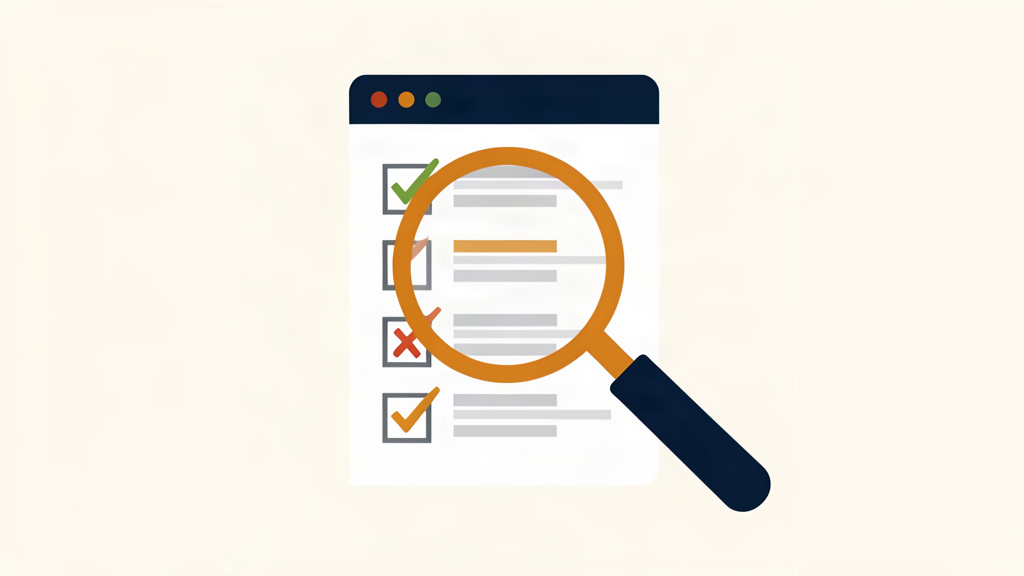
Content libraries decay. Posts go out of date, topics overlap, and thin pages quietly drag down the whole site. A content audit is how you take stock and fix it — and despite its reputation, it does not have to take weeks. With a tight method, you can run a useful audit in a single afternoon.
Start With a Complete Inventory
You cannot audit what you cannot see. Pull a list of every published URL — from your CMS, a crawler, or your analytics tool — into a spreadsheet. For each, capture the title, the URL, and the publish or update date. This inventory is the raw material for everything that follows. Keep it simple: a URL and a title are enough to start making decisions.
Add the Performance Data That Matters
Next, layer in performance. For each page, note its organic traffic and any ranking or conversion data you have. You do not need every metric — traffic and a rough sense of whether the page does its job will drive most decisions. Resist the temptation to gather data for its own sake. The goal is enough signal to act, not a perfect dataset.
Sort Everything Into Four Buckets
Now the actual audit. Go through the inventory and assign each piece to one of four actions: keep (performing well and current), update (good bones, but outdated or thin), consolidate (overlaps with another piece and should be merged), or remove (irrelevant, thin, or beyond saving). Forcing every page into one of these four buckets turns a vague sense of \"our content needs work\" into a concrete to-do list.
Prioritise by Impact, Not Effort
You will not fix everything, so sequence the work by impact. Updating a page that already ranks on page two for a valuable term often delivers more than writing something new. Consolidating three weak overlapping posts into one strong one can lift all of them. Start where a small change produces an outsized result, and work down from there.
Make It a Habit, Not a Project
A one-off audit helps; a recurring one transforms. Put a lightweight audit on the calendar once or twice a year and treat it as routine maintenance. Content that is regularly reviewed stays accurate, keeps ranking, and compounds in value. The afternoon you spend auditing is one of the highest-return uses of a content team's time.
Frequently asked questions
What is a content audit?
How often should you do a content audit?
What metrics matter in a content audit?
Should I delete underperforming content?
Sources and further reading
Comments (0)
No comments yet. Be the first to share your thoughts.