How to Plan a Content Strategy From Scratch
A one-page plan that actually guides decisions
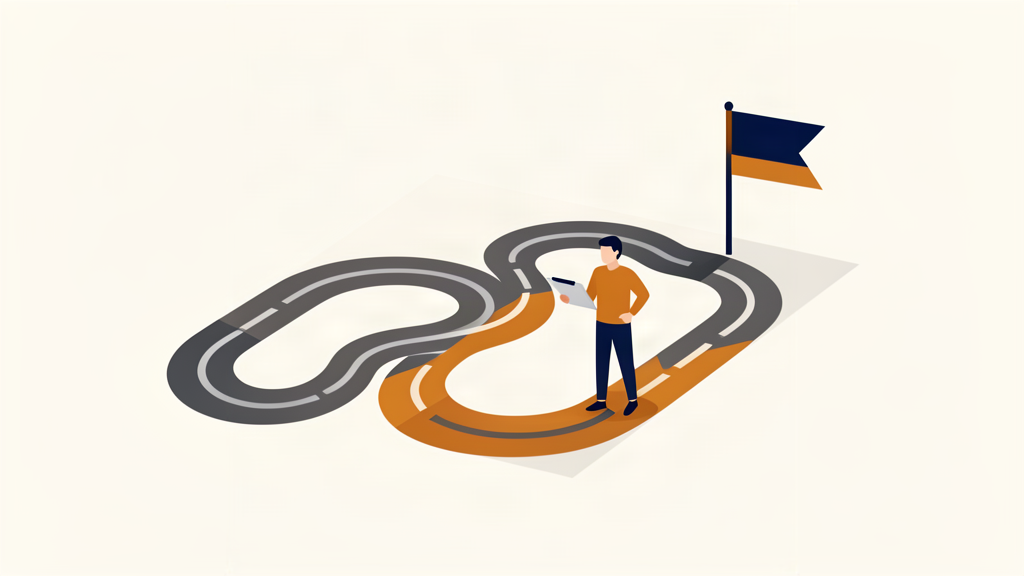
A content strategy sounds like something that requires consultants and a slide deck. In reality, the useful version fits on a page. It answers a handful of questions — who you are for, what you will cover, and how you will know it is working — and it earns its keep by making every future decision easier. Here is how to build one from nothing.
Start With the Audience, Not the Content
Every sound strategy begins with a specific reader. Not "marketers" but "content leads at small software companies who are stretched thin." The tighter your picture of the reader, the easier every later decision becomes — what to write, what tone to use, where to publish. If you can describe the person you are trying to help in a sentence, you have the foundation of the strategy.
Choose a Few Topics You Can Own
With the audience clear, pick the small set of topics you will be known for. These should sit where three things overlap: what your audience cares about, what you can speak on credibly, and what serves your goals. Three to five themes is plenty for most teams. Owning a few topics deeply builds authority and search visibility far more effectively than scattering effort across many.
Set Goals You Can Measure
Decide what the content is for. Traffic, email sign-ups, leads, product adoption — the goal shapes everything from topic choice to calls to action. Make it measurable so you can tell whether the strategy is working. A strategy without a clear, measurable goal is just a publishing schedule, and it gives you no way to learn and improve.
Decide Cadence and Channels Realistically
Now the practical commitments: how often you will publish and where. Be honest about capacity — a cadence you can sustain beats an ambitious one that collapses. Choose the channels where your audience actually is rather than trying to be everywhere. These decisions turn the strategy from aspiration into an operational plan.
Write It Down in One Page
Capture the whole thing on a single page: audience, topics, goal, cadence, and measures. That is the entire document. Review it every quarter and adjust as you learn what works. A short strategy that the team actually reads and uses will always outperform a comprehensive one that sits in a folder. The value of a strategy is in the decisions it guides, not the pages it fills.
Frequently asked questions
What is a content strategy?
How long should a content strategy document be?
What is the difference between content strategy and content marketing?
How do I choose content topics?
Sources and further reading
Comments (0)
No comments yet. Be the first to share your thoughts.