Why Piracy Costs You More Than You Think
The hidden price of "free" content
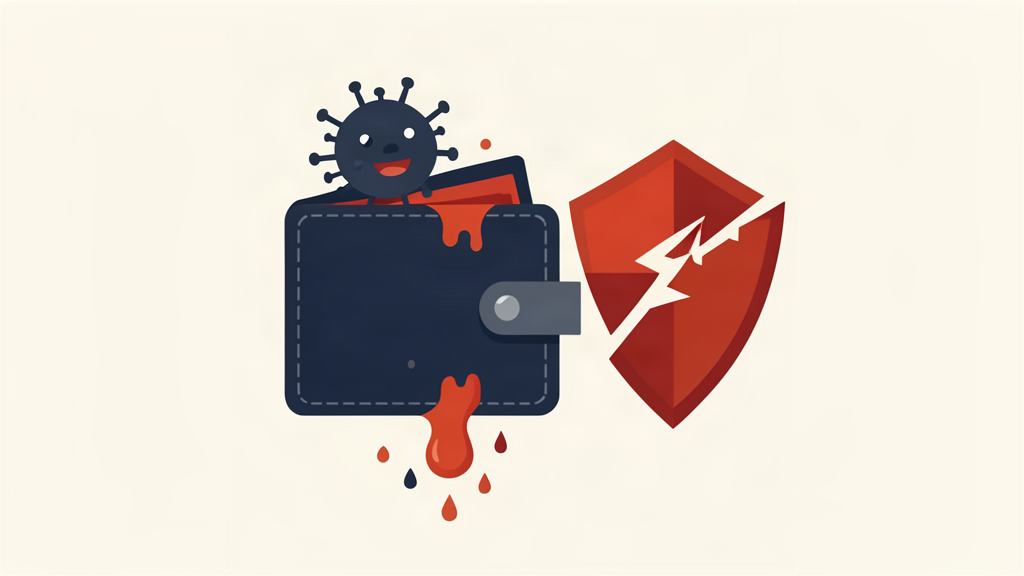
Piracy sells itself as free, but that price tag is misleading. Behind the lack of a subscription fee sit real costs — to your security, your wallet, and the people who make the content. Understanding the full picture makes the legal option look not just safer but genuinely cheaper.
The Malware Economy
Pirate sites are not charities. They make money, and they make it largely through malicious advertising, bundled downloads, and data harvesting. Visiting them exposes you to adware, spyware, and worse, and fake "premium" sign-ups are a common way to harvest payment details. Security researchers consistently find pirate streaming and download sites among the riskiest places on the web. The free film can end up costing you a compromised device or a stolen card.
The Legal Reality
The legal risk to individuals varies by country and tends to focus on those who distribute rather than consume, but it is not zero. In many jurisdictions accessing obviously pirated content can have consequences, and the landscape shifts as enforcement evolves. Whatever the legal exposure in your region, it is a risk that simply does not exist with licensed sources.
The Cost to Creators
Every legal stream, purchase, or rental generates royalties that pay the people who made the work — writers, musicians, actors, developers, and the armies behind them. Piracy pays nothing. The cumulative effect is significant, especially for independent creators who depend directly on sales. If you value the content, the legitimate route is the one that funds more of it.
Legal Is Cheaper Than It Looks
The strongest counter to piracy is that legal content is rarely as expensive as people assume. Free ad-supported streaming and music services cost nothing. Libraries lend films, ebooks, and audiobooks free. One-off rentals cost a few pounds. Rotating subscriptions keeps monthly costs low. When you add up these options, staying legal is often cheaper than the time, risk, and cleanup that piracy involves.
The Sensible Bottom Line
Piracy is a bad deal dressed up as a good one. It trades a small saving for real risks to your security and your wallet, while paying nothing to the creators whose work you enjoy. With so many free and affordable legal options available, the choice is easy: a little know-how gets you the content you want, safely, legally, and often for less than you expected.
Frequently asked questions
What are the real risks of using pirate sites?
Does piracy actually hurt creators?
Is legal content really that expensive?
Can I get in trouble for a one-off pirate download?
Sources and further reading
Related Articles
Sample Article Title for Testing
Sample ArticleThis is a test article content in Markdown format.IntroductionThis webhook test ensure...
SoftwarePublic Domain and Creative Commons: Content You Can Use for Free, Legally
Beyond the paid platforms and even the free ad-supported ones lies a vast, entirely legal library of...
SoftwareHow to Build a Legal Digital Library Without Breaking the Bank
Most people pay far more for digital content than they need to, simply because they subscribe to eve...
Comments (0)
No comments yet. Be the first to share your thoughts.